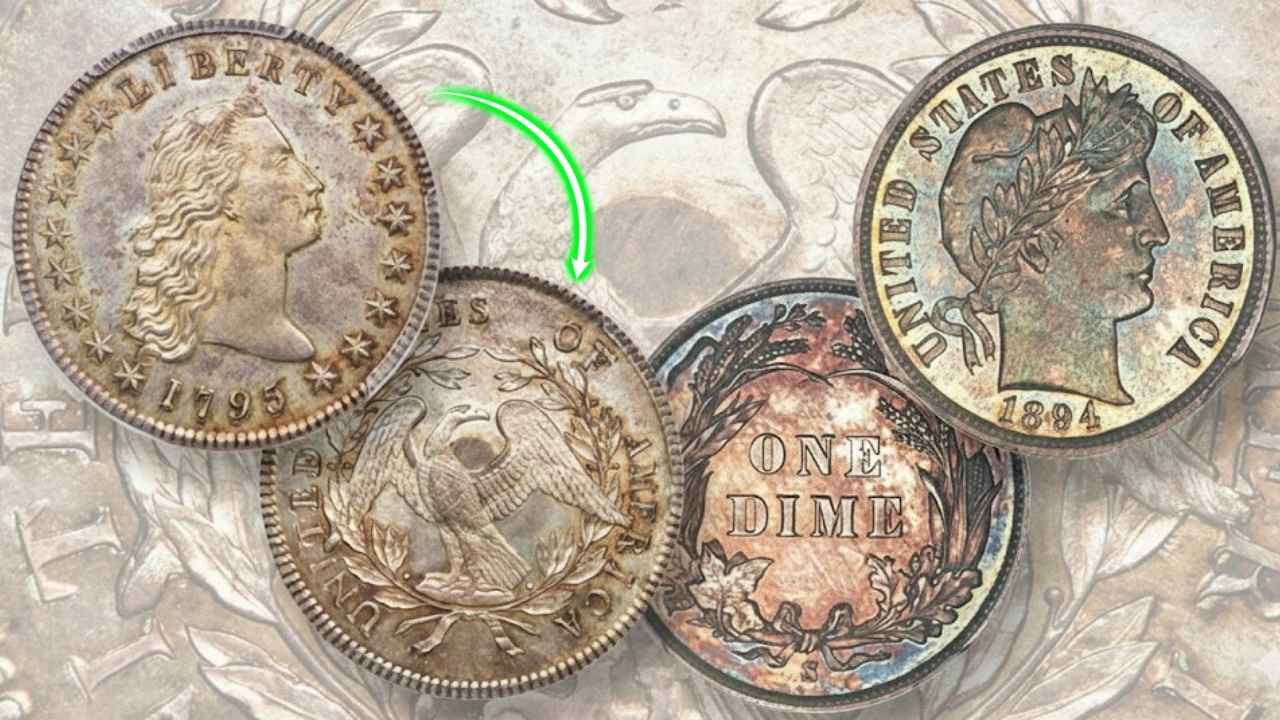
An extraordinary example of the famous 1894-S Barber dime dominated bidding at a major September auction hosted by Heritage Auctions, proving once again that elite numismatic rarities continue to command staggering prices. The coin, certified Proof 66 by Professional Coin Grading Service, realized $1.5 million and stood as the top performer in the first installment of the collection assembled by Bob R. Simpson. With only nine confirmed examples known to exist, the piece drew intense attention from collectors eager to secure one of America’s most elusive coins.
A Sale Packed With Historic Pieces
The auction session featured 349 coins and approached a total of $15 million in realized prices, demonstrating strong demand across the rare-coin market. Specialists view results from sales like this as important indicators of market health, especially when multiple high-grade specimens change hands. Analysts pointed out that the strong showing suggests continued confidence among collectors heading into future auctions, including upcoming sales from Stack’s Bowers Galleries featuring pieces from the collection of Larry H. Miller. One highlight expected there is another 1894-S dime graded Proof 65 by Numismatic Guaranty Corp. and approved by Certified Acceptance Corp..
Another Star: The 1795 Silver Plug Dollar
While the dime captured headlines, another historic rarity sparked excitement among bidders. A 1795 Flowing Hair silver dollar featuring a silver plug and graded MS-65+ also attracted fierce competition before selling for $630,000. The coin has a remarkable pedigree. Researchers believe architect William Strickland likely purchased it directly from the Philadelphia Mint in the year it was struck. Generations later, it became part of the holdings of Baron St. Oswald of Nostell, where it remained for decades. Known today as the Lord St. Oswald Specimen, it ranks as the finest example of its type and among the very best of its date.
The Curious Case of the Silver Plug
Early researchers, including numismatic scholar Walter Breen, once speculated that the silver dollar might have been specially struck as a presentation piece. Some early catalogs even avoided mentioning the plug altogether, fearing buyers would mistake the minting anomaly for damage. In reality, the plug was inserted before striking to adjust the blank’s weight to official standards. The feature is visible on both sides but appears darker on the reverse, making it easier to spot.
Past Prices and Provenance
The same dollar previously sold for $705,000 during a high-profile sale conducted jointly by Sotheby’s and Stack’s Bowers as part of the collection of D. Brent Pogue. Although its most recent result was slightly lower, specialists noted that fluctuations are normal when exceptional coins reappear at auction. Provenance, timing, and competing lots all influence final prices, even for famous pieces.
A Dime That Once Sold for More
Another notable lot in the same event was a 1796 Draped Bust Small Eagle dime graded Specimen 67, which realized $750,000. That figure fell short of the $881,250 it brought years earlier at a sale of the collection of Gene Gardner. Even so, its strong result reinforced the broader trend: top-tier U.S. coins continue to command serious attention and substantial bids.
Why These Results Matter
Collectors and analysts watch major auctions closely because they offer real-time insight into the strength of the rare-coin market. When multiple six-figure coins sell in a single session, it signals sustained demand among advanced buyers. The performance of the Simpson coins suggests that enthusiasm for historically significant U.S. issues remains high, particularly for pieces combining rarity, condition, and distinguished ownership history. As more major collections come to market, these benchmark sales help establish pricing expectations and shape bidding strategies for future events.
Final Thoughts
High-end coin auctions often serve as snapshots of collector confidence, and this sale demonstrated that elite rarities still inspire fierce competition. From the million-dollar 1894-S dime to early federal coinage with centuries-old pedigrees, the results show that history, scarcity, and provenance remain the driving forces behind the world of top-tier numismatics.