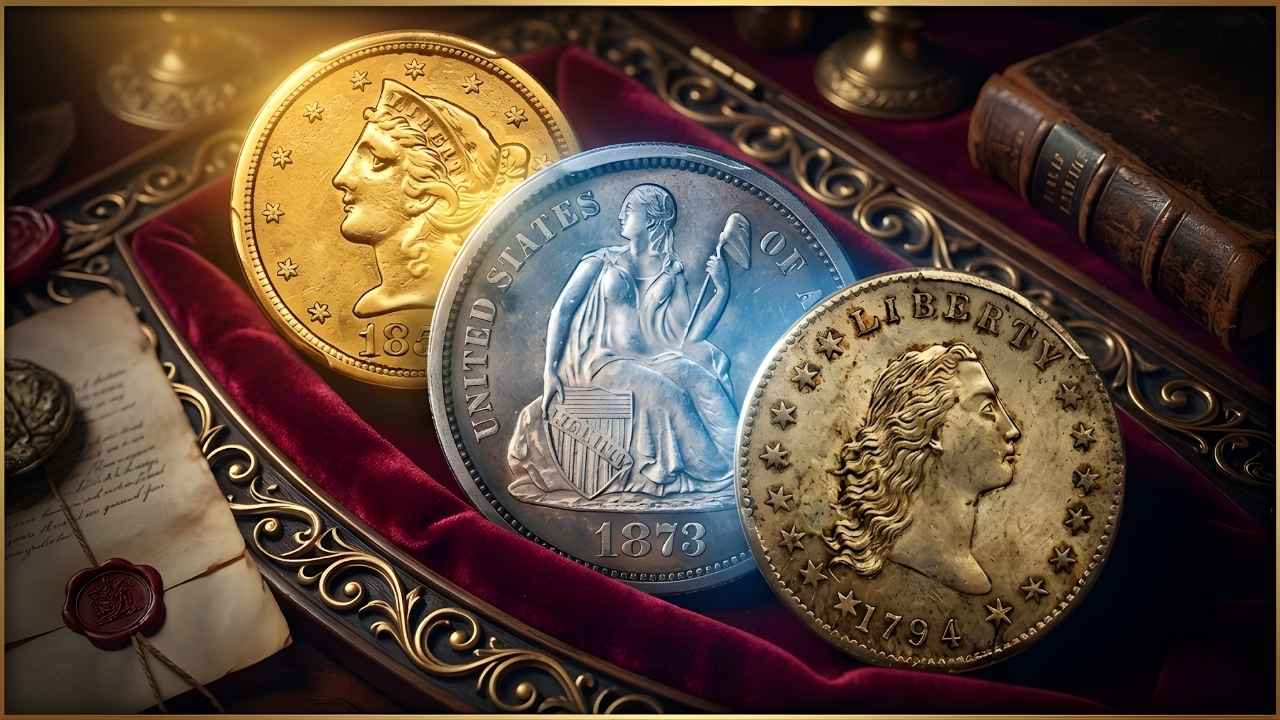
When the auction hammer falls at Heritage Auctions, it often marks the sale of a coin that has survived centuries to claim a place among the most valuable in American history. The top 100 US coins ever sold through major auctions are not ordinary collectibles. They are artifacts of early minting, symbols of economic change, and in many cases, once-in-a-lifetime rarities that ignite fierce bidding wars. These coins combine scarcity, preservation, and historical importance to achieve prices that reach into the millions.
The Power of the Auction Stage
Elite coin auctions operate at the highest level of the numismatic world. Before a coin appears in a headline-grabbing sale, it undergoes professional authentication, grading, and careful cataloging. Detailed provenance records are often researched and presented, adding depth to the coin’s story. Global collectors, investors, and institutions monitor these events closely, ready to compete for pieces that may not resurface for decades.
Auction success is rarely accidental. It is the result of extreme rarity, strong collector demand, exceptional condition, and impeccable documentation. When these elements align, the bidding can escalate rapidly, pushing final prices far beyond expectations.
Legendary Coins That Broke Records
Among the top 100 most valuable US coins, several names appear repeatedly in discussions of record-breaking sales. Early American issues dominate the list, particularly coins struck during the nation’s formative years.
The 1794 Flowing Hair Silver Dollar is widely considered one of the most important coins in American history, as it represents the first year of silver dollar production by the United States Mint. Similarly, the 1787 Brasher Doubloon, privately struck but closely tied to early American coinage, has commanded extraordinary prices due to its rarity and historical significance.
Gold rarities also occupy prominent positions. The 1933 Double Eagle remains one of the most famous coins ever sold, its complex legal history and limited surviving examples contributing to multimillion-dollar auction results. The 1822 Half Eagle, with only a handful of known survivors, is another standout that achieved remarkable prices when offered publicly.
Why Gold Coins Dominate the List
Gold coins account for a large share of the top 100 auction results. Their intrinsic metal value provides a strong foundation, but it is their scarcity and historical relevance that drive record prices. Early Liberty Head gold pieces, low-mintage proof issues, and territorial gold coins from private mints all appear frequently among the highest sales.
Collectors are drawn to gold coins not only for their weight and brilliance but also for their connection to America’s monetary history. Many of these pieces circulated during pivotal periods, including westward expansion and the gold rush era. Their survival in high-grade condition is often astonishing, making them especially competitive at auction.
Silver Rarities and Early Mint Masterpieces
Silver coinage from the late 18th and early 19th centuries also features prominently in the top 100 list. Early Mint technology was less refined than modern processes, which means surviving examples often display unique characteristics. Hand-prepared dies, irregular planchets, and distinctive strike qualities add character and historical depth.
Low survival rates further enhance value. While original mintages may have been modest, centuries of melting, circulation, and loss have reduced the number of high-grade survivors dramatically. When a sharply preserved early silver coin appears at auction, competition can be intense.
Error Coins That Reached Elite Status
Not all record-setting coins were intentionally rare. Some achieved fame because of dramatic minting mistakes. Off-metal strikes, where a coin was struck on the wrong type of metal blank, can fetch extraordinary prices. Double denomination errors, in which one coin was struck over another, also rank among the most intriguing and valuable auction pieces.
These errors offer a glimpse into the mechanical processes of the Mint. Their rarity and visual impact make them highly desirable, especially when certified and preserved in top condition.
The Role of Condition and Grading
Condition is a decisive factor in determining auction performance. Professional grading services evaluate coins based on surface preservation, strike sharpness, luster, and originality. Even among rare coins, those graded at the highest levels consistently achieve the strongest prices.
A small difference in grade can translate into hundreds of thousands of dollars at the elite level. Coins that retain original surfaces and show no evidence of cleaning or damage are especially prized.
Provenance and Prestige
A coin’s ownership history can significantly influence its value. Pieces once held in famous collections often command higher premiums because their authenticity and pedigree are well documented. Collectors value the narrative as much as the object itself. Knowing that a coin passed through the hands of renowned numismatists adds both confidence and prestige.

Final Verdict
The 100 most valuable US coins sold at major auctions represent the pinnacle of numismatic achievement. They are more than rare pieces of metal; they are historical witnesses, engineering marvels, and symbols of America’s financial evolution. From early silver dollars to legendary gold rarities and dramatic mint errors, each coin carries a story that transcends its denomination. When rarity, condition, and demand converge on the auction stage, the result is not just a sale but a defining moment in coin collecting history.