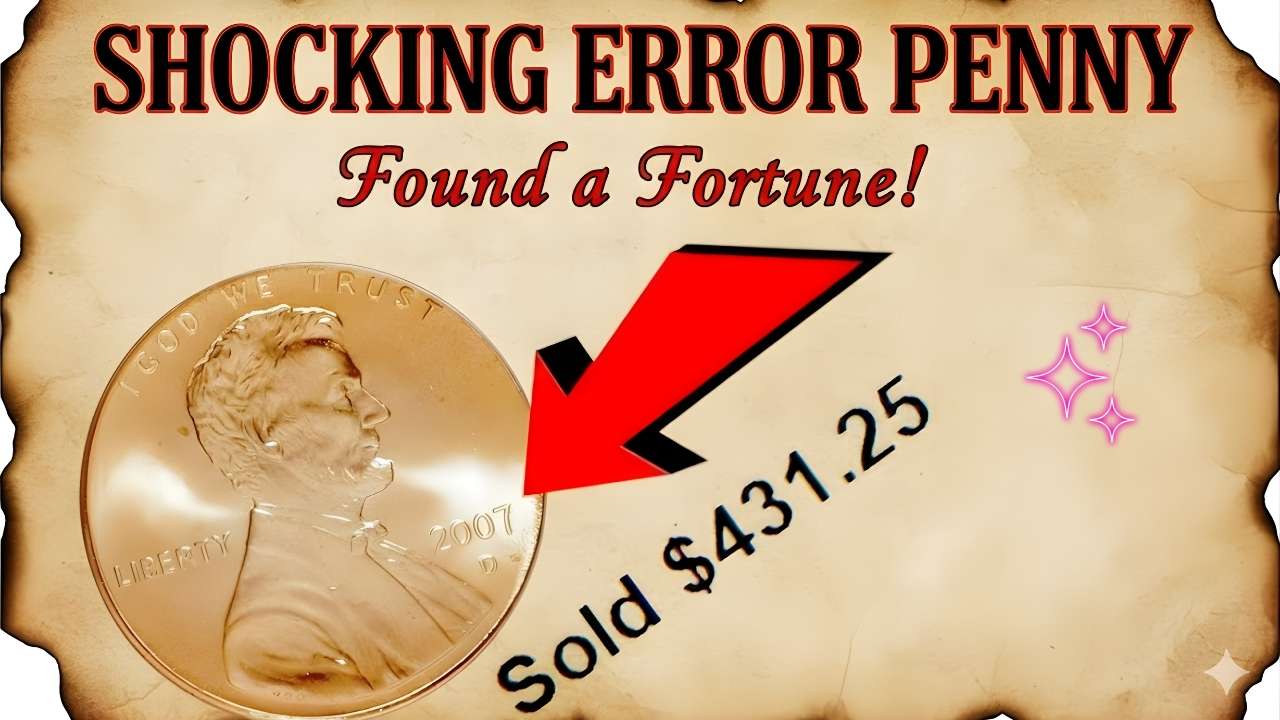
Most modern coins pass through circulation unnoticed, but certain 2007 pennies have gained attention for unusual minting mistakes. These coins show how even advanced manufacturing systems can produce unexpected variations. Collectors value them not as damaged currency but as authentic mint anomalies that slipped through inspection. Their appeal lies in the idea that something ordinary can become rare simply because of a tiny production flaw.
How Pennies Are Manufactured
Producing a coin is a carefully timed industrial process carried out by the United States Mint. Metal sheets are first cut into blanks, which are polished and prepared before striking. Dies engraved with the image of Abraham Lincoln press the design into each blank using immense pressure. Automated systems then check for imperfections before coins are released into circulation. When a machine shifts slightly or a component wears down, the result can be an error coin that looks different from the rest.
Types of Errors Found on 2007 Pennies
Several varieties of mistakes have been reported on pennies from this year. Doubled dies show faint overlapping lines in the date or lettering caused by misaligned die impressions. Off-center strikes appear when a blank is not positioned correctly, leaving part of the design missing. Broadstrikes occur when the collar that shapes the coin’s edge fails, creating a wider piece with a flattened rim. Some coins also display die cracks or raised lumps known as cuds, which form when a die becomes damaged during production.

Material Composition and Its Role
Modern pennies are made primarily of zinc coated with a thin copper layer. This construction keeps costs low but can introduce unique imperfections. If the plating does not bond properly, bubbles or blisters may appear on the surface. In some cases, the copper layer splits or peels, revealing the gray zinc beneath. These flaws are not caused by wear but by manufacturing inconsistencies, which is why collectors often find them intriguing.
What Determines an Error Coin’s Value
Not every error automatically makes a coin valuable. Collectors look at how visible the mistake is, how rare it appears to be, and how well the coin has been preserved. Dramatic off-center strikes or strong doubling tend to attract the most attention because they are easy to spot. Subtle flaws may still carry value, but they usually require magnification to appreciate. Condition also matters greatly, since a crisp example with minimal wear will command a stronger price than one that is heavily circulated.
Where Mint Marks Come Into Play
Mint marks identify where a coin was struck and can influence rarity. Coins without a letter were produced in Philadelphia, while those marked D came from Denver and S marks indicate production in San Francisco. Although 2007 pennies were made in large quantities, certain errors may exist in smaller numbers from one facility than another, which can make a specific mint mark more desirable.
How Collectors Verify Authentic Errors
Distinguishing a real mint error from post-mint damage requires patience and knowledge. Collectors often examine coins under magnification to study surface details. They compare suspect pieces with documented examples and may check weight or diameter to confirm unusual characteristics. Professional grading companies can certify genuine errors, giving buyers confidence that the piece is authentic and not altered after leaving the mint.
Market Interest in Modern Error Coins
Unlike classic rarities that can sell for huge sums, most modern error pennies trade at modest prices. However, striking examples with dramatic visual impact can attract competitive bidding. The market for these coins remains active because they are affordable and offer the thrill of discovery. Many collectors enjoy searching pocket change or bank rolls, hoping to uncover an overlooked rarity.
Preservation Tips for Error Pennies
Protecting a coin’s condition is essential once an error is discovered. Handling should be minimal and preferably done with gloves to prevent oils from affecting the surface. Storage in holders or capsules helps shield coins from humidity and scratches. Cleaning should always be avoided, since it can damage the finish and reduce collector value. Proper care ensures the coin retains both its appearance and its appeal.
Final Verdict
The 2007 penny demonstrates that even modern minting can produce surprises worth saving. Though most examples remain ordinary, a small number display fascinating flaws that turn them into collectibles. For hobbyists, these coins combine curiosity, history, and the excitement of spotting something rare in everyday change, proving that valuable finds can still hide in plain sight.