The Eisenhower Dollar has quietly transformed from a bulky curiosity into a collector favorite. Minted between 1971 and 1978, it marked the final chapter of large-size dollar coins in the United States. For years, these coins were overlooked because of their size and limited circulation appeal. Today, however, collectors are rediscovering the series thanks to its short production span, historical symbolism, and surprising number of valuable varieties. With growing interest in modern coinage, demand for certain dates and high-grade examples has surged in 2026.
Historical Background of the Series
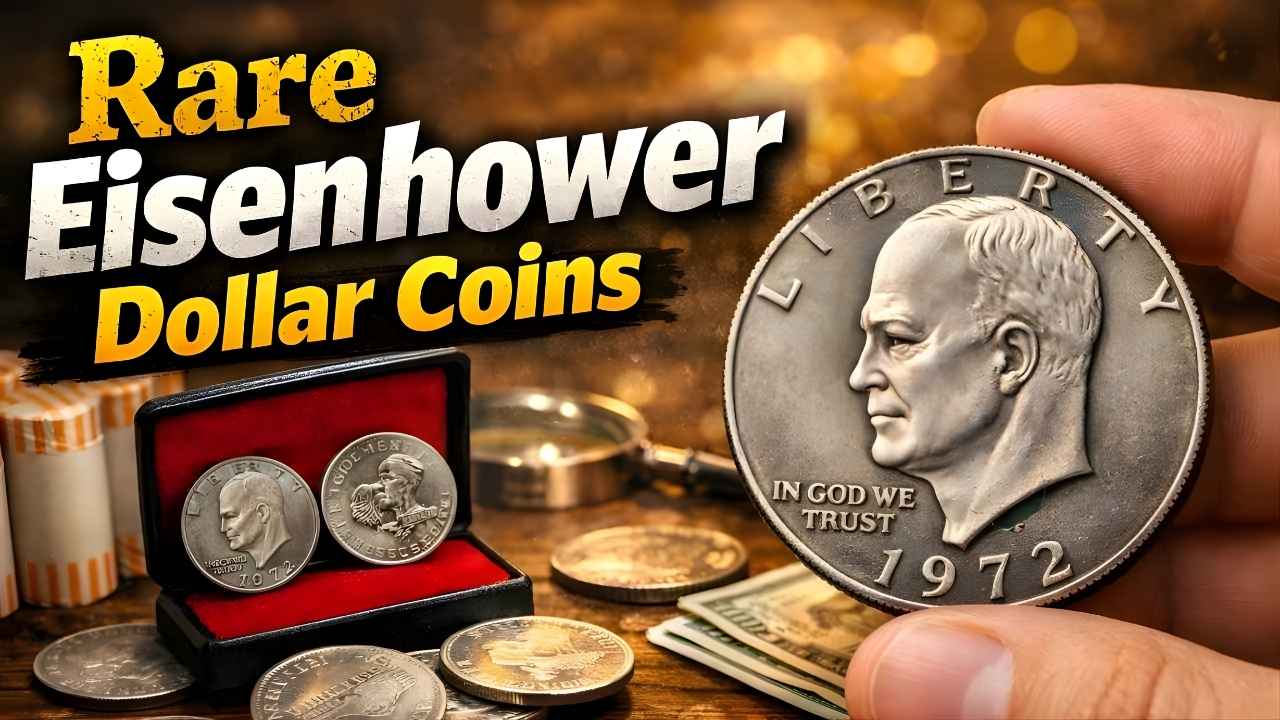
The coin was introduced shortly after the passing of President Dwight D. Eisenhower and was designed to honor both his legacy and the Apollo 11 moon landing. Its design shows Eisenhower’s portrait on the front and an eagle descending toward the moon on the back, giving the coin both political and space-age significance. Production took place at Philadelphia, Denver, and San Francisco, with San Francisco also striking special collector versions containing 40 percent silver. This mix of mints and compositions created a wide range of collectible options.
Key Dates and Varieties Collectors Seek
Not every Eisenhower Dollar is valuable, but a few stand out as must-have pieces. The 1972 Philadelphia issue is famous for its three reverse designs, identified by subtle differences in the Earth image. Type 2 is the rarest and most desirable, often selling for substantial sums when found in high grade. Another sought-after year is 1973, when coins were only issued in mint sets rather than released into circulation. Because most examples were preserved, pristine pieces are surprisingly difficult to find.
Silver Issues and Special Strikes
San Francisco produced special collector versions made with 40 percent silver, and these pieces hold a strong following. Although silver content adds a base level of value, collectors tend to pay the highest premiums for coins with exceptional surfaces and strong visual contrast. Proof versions with mirrorlike backgrounds and frosted designs are especially popular. In many cases, condition and rarity matter more than metal value, making grading quality a major factor in determining price.
Bicentennial Designs That Stand Out
The 1776–1976 Bicentennial Eisenhower Dollar introduced a commemorative reverse featuring the Liberty Bell layered over the moon. Two lettering styles exist, known as Type 1 and Type 2. While both are collectible, sharply struck high-grade examples are scarce. Silver Bicentennial coins from San Francisco also draw attention from collectors who enjoy historically themed issues. The patriotic design and limited production window continue to fuel demand decades later.
Final Years and Condition Rarity
Coins from 1977 and 1978 are often ignored because they appear common, yet top-quality examples are surprisingly elusive. Many pieces from these years show weak strikes or heavy contact marks from storage, meaning flawless coins are hard to locate. As collectors compete for registry-quality sets, prices for the finest known specimens have risen steadily. Even coins once considered ordinary can become valuable when preserved in exceptional condition.

Valuable Errors to Watch For
Mint errors add excitement to the series. Off-center strikes, doubled lettering, clipped edges, and coins struck on the wrong metal blanks are all known within the Eisenhower Dollar lineup. Dramatic mistakes, especially those visible without magnification, can command impressive prices. Because counterfeits and altered coins exist, authentication by a professional grading service is strongly recommended before assuming a coin is valuable.
How to Identify a Potentially Valuable Coin
Start with the basics by checking the date and mint mark, then inspect details closely using magnification. Pay attention to strike sharpness, surface quality, and luster. Weighing the coin can help determine whether it is silver or clad. Subtle differences in design elements, particularly on the 1972 issues and Bicentennial coins, can reveal rare varieties. Collectors who study these details carefully often discover hidden gems in ordinary collections.
Final Thoughts
Eisenhower Dollars have evolved from overlooked pocket pieces into a rewarding field for collectors. Their blend of historical meaning, short production run, and diverse varieties makes them especially appealing in today’s market. While most examples remain affordable, certain dates, rare reverses, and pristine coins can be worth far more than face value. For anyone willing to learn the details and examine coins closely, this series offers real opportunities to uncover valuable finds.