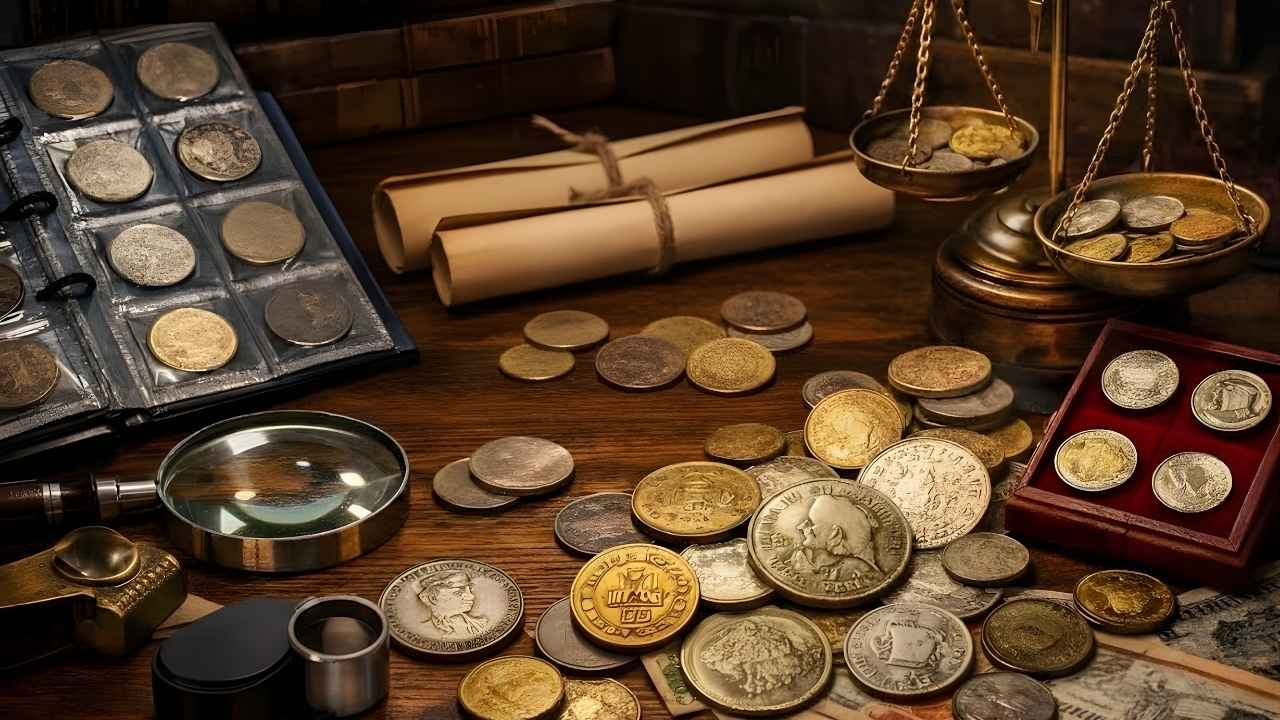
Coin collecting continues to capture the imagination of hobbyists and investors alike, and few coins are as widely recognized as the Lincoln penny. For more than a century, this small copper coin has passed through countless hands, quietly carrying stories of American history. In 2026, interest in Lincoln pennies remains strong, with collectors actively searching for rare dates, important mint marks, and high-grade examples that can command impressive prices in the market.
The Legacy of the Lincoln Penny
The Lincoln penny made its debut in 1909 to commemorate the 100th anniversary of Abraham Lincoln’s birth. It was the first regular-issue United States coin to feature a real historical figure rather than a symbolic image. Sculptor Victor David Brenner designed the obverse portrait, which has remained a defining feature of the coin ever since.
Over the decades, the reverse design has changed several times. The original wheat ears design, often called the Wheat Cent, was produced from 1909 to 1958. In 1959, the reverse shifted to the Lincoln Memorial to honor the 150th anniversary of Lincoln’s birth. In 2010, the Union Shield design was introduced, symbolizing national unity. Each design era has its own fan base, and certain years within these periods are especially desirable.
Why Mint Marks Matter
Mint marks play a crucial role in determining a coin’s value. These small letters indicate where the coin was struck. Lincoln pennies were primarily minted in Philadelphia, Denver, and San Francisco. Philadelphia coins traditionally carried no mint mark until the late 20th century, while Denver coins bear a “D” and San Francisco coins display an “S.”
Some combinations of year and mint mark are far scarcer than others. For example, the 1909-S VDB remains one of the most famous and sought-after Lincoln pennies. With a limited mintage and strong collector demand, it often sells for substantial sums, especially in higher grades. The 1914-D is another key date that continues to attract serious attention. Collectors also closely watch for varieties and errors tied to specific mints, as these can significantly increase a coin’s appeal.
Key Dates and Valuable Varieties
While many Lincoln pennies are worth only face value, a handful stand out as true highlights of the series. The 1922 No D penny is a well-known error, created when the Denver mint mark failed to appear clearly on certain coins. Because no pennies were struck in Philadelphia that year, examples without a visible “D” are highly collectible.
Another famous variety is the 1955 Double Die. This error shows dramatic doubling in the date and lettering, making it easily visible even without magnification. Depending on condition, these coins can sell for hundreds or even thousands of dollars.
Earlier Wheat Cents, particularly those from the 1910s and 1920s, can also carry premiums if they are in strong condition. Scarcity, historical interest, and eye appeal all combine to influence price.
Understanding Condition and Grading
Condition is one of the most important factors in determining value. A rare date in poor shape may be worth far less than a common date in pristine condition. Coins are graded on a scale that ranges from heavily worn pieces to flawless Mint State examples.
Details such as luster, sharpness of strike, and absence of scratches or discoloration all impact grade. Professional grading companies like PCGS and NGC authenticate and encapsulate coins, giving buyers added confidence. In today’s competitive market, certified coins often sell more easily and at stronger prices than raw, ungraded pieces.
Building a Smart Collection in 2026
Collectors in 2026 approach Lincoln pennies in several ways. Some aim to complete a full date-and-mint set, tracking down every combination from 1909 to the present. Others focus only on Wheat Cents or on high-grade modern Shield pennies. A growing number of hobbyists concentrate on error coins and die varieties, which add excitement and uniqueness to a collection.
Patience and research are essential. Studying auction results, understanding grading standards, and buying from reputable dealers can make a significant difference over time. Even searching through pocket change can occasionally yield older coins that spark further interest.

Investment Potential and Market Trends
Although coin collecting is often driven by passion, the financial aspect cannot be ignored. Certain Lincoln pennies have shown steady long-term appreciation, particularly key dates in certified high grades. However, not every coin will increase dramatically in value.
The strongest performers tend to combine rarity, strong demand, and excellent condition. As with any collectible market, trends can shift, and prices may fluctuate based on broader economic conditions. Collectors who focus on quality and authenticity are generally better positioned for long-term success.
Final Thoughts
The Lincoln penny remains a cornerstone of American numismatics in 2026. Its long history, changing designs, and notable rarities ensure that it continues to captivate both new and seasoned collectors. Whether you are assembling a complete set, hunting for key dates, or simply enjoying the thrill of discovery, understanding mint marks, condition, and rarity will help you make informed decisions. A thoughtful approach can turn even the humblest penny into a meaningful and rewarding addition to your collection.