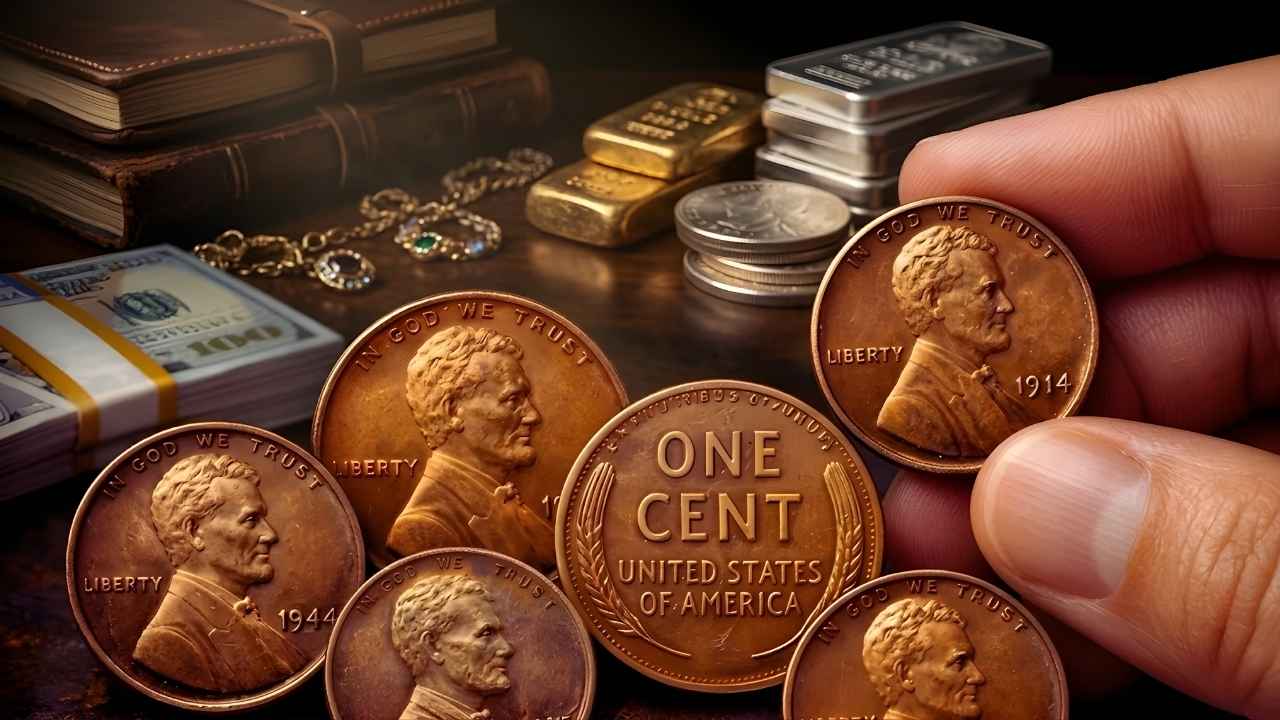
The Wheat Penny remains one of the most collected coins in the United States, and in 2026 its value continues to attract hobbyists and practical investors alike. With its iconic twin wheat design and copper-rich composition, this small coin carries both historical charm and measurable market value. While many examples still trade at modest prices, certain dates and higher-grade pieces command impressive premiums. Understanding how grades, pricing trends, and collector demand shape today’s market is essential for anyone looking to buy, sell, or hold these classic coins.
A Brief History of the Wheat Penny
The Wheat Penny, formally known as the Lincoln Wheat Cent, was first issued in 1909 to commemorate the 100th birthday of President Abraham Lincoln. It features Lincoln’s portrait on the obverse and two wheat stalks framing the reverse design. The series ran until 1958, after which the reverse design was replaced. Because of its long production run and historic significance, the coin remains widely recognized, making it one of the easiest entry points for new collectors.
Physical Specifications and Composition
Wheat Pennies share consistent physical characteristics that help collectors authenticate and grade them accurately. Each coin measures 19.05 mm in diameter and about 1.52 mm in thickness, with a smooth edge. Most pieces weigh 3.11 grams and are composed of approximately 95 percent copper, with the remainder consisting of tin and zinc. This high copper content not only gives the coin its distinctive reddish tone but also contributes to its baseline metal value. Even well-worn coins maintain some intrinsic worth due to their copper composition, which appeals to both collectors and bulk buyers.

Understanding Wheat Penny Grades
Condition plays the largest role in determining Wheat Penny value in 2026. Coins are evaluated on wear, surface preservation, luster, and strike quality. Circulated examples often show smoothing on Lincoln’s cheek and hair, while the wheat lines on the reverse may appear faint. In contrast, uncirculated coins display sharp details, original mint luster, and minimal contact marks. Professional grading services assign numerical grades that provide consistency and confidence in the marketplace. Even a small jump in grade can significantly increase a coin’s value, especially for scarcer dates.
2026 Price Ranges by Condition
In today’s market, most common-date Wheat Pennies in circulated condition typically sell for a small premium over face value, often ranging from a few cents to a dollar depending on appearance. However, coins in extremely fine or uncirculated condition can bring much higher prices. Bright red uncirculated examples, particularly those with strong strikes and clean surfaces, may sell for several times the value of their worn counterparts. Rare key dates and low-mintage issues can reach into the hundreds or even thousands of dollars when found in high grades. Pricing remains relatively transparent thanks to online marketplaces and auction records, making it easier for buyers and sellers to determine fair market value.
Collector Demand and Market Activity
Demand for Wheat Pennies remains steady in 2026 because of their affordability and historical appeal. Many collectors build complete date-and-mint sets, gradually upgrading coins as better examples become available. This steady upgrading process supports ongoing market liquidity. Unlike speculative collectibles that experience dramatic price swings, Wheat Pennies tend to appreciate gradually, especially in higher grades. The combination of nostalgic appeal, manageable pricing, and widespread recognition ensures that quality coins rarely remain unsold for long.

Investment Potential and Long-Term Outlook
While Wheat Pennies are not typically considered high-risk, high-reward assets, they offer practical advantages. Their low entry cost allows investors to diversify across different dates and grades. High-grade coins, particularly those with strong eye appeal, have shown consistent long-term growth due to shrinking supply. As more coins are permanently housed in collections, fewer premium examples remain available on the open market. This gradual tightening of supply supports steady value appreciation rather than sudden spikes. For conservative investors seeking tangible assets with historical significance, Wheat Pennies provide a balanced approach between collectibility and stability.
Final Verdict
The Wheat Penny continues to hold its place as a reliable and widely collected coin in 2026. Its copper composition, standardized specifications, and clear grading system make valuation straightforward for both beginners and experienced collectors. While common circulated pieces remain affordable, high-grade and rare examples offer meaningful upside potential. Steady demand, strong liquidity, and historical significance combine to keep this classic coin relevant in today’s numismatic landscape.