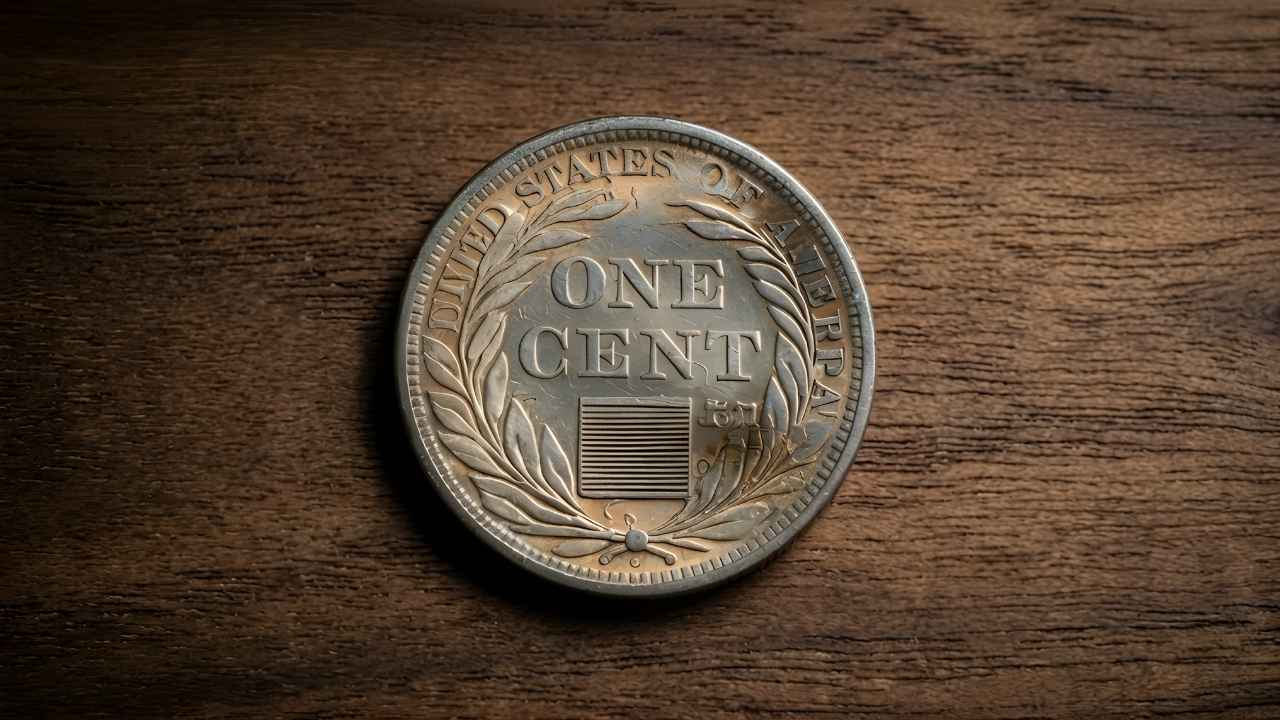
Wheat pennies may look like ordinary coins at first glance, but they carry more than half a century of American history in their small copper frames. Minted between 1909 and 1958, these classic one-cent pieces are instantly recognizable by the two wheat stalks on the reverse. For many collectors, they represent a perfect blend of affordability, history, and the thrill of discovery. Whether found in an old jar of coins or purchased from a dealer, wheat pennies continue to spark curiosity and excitement among hobbyists of all ages.
The Origins of the Wheat Penny
The wheat penny, officially known as the Lincoln Wheat Cent, debuted in 1909 to honor the 100th anniversary of Abraham Lincoln’s birth. It was a groundbreaking release because it marked the first time a real historical figure appeared on a regularly circulating U.S. coin. The obverse features Lincoln’s portrait, while the reverse displays two wheat ears framing the words “One Cent” and “United States of America.” This simple yet elegant design remained in use until 1958, when it was replaced with the Lincoln Memorial reverse.
These coins circulated through pivotal moments in American history, including World War I, the Great Depression, and World War II. During 1943, pennies were even struck in steel to conserve copper for the war effort, adding another fascinating chapter to the series. Each wheat penny is a small reminder of the era in which it was used.
Why Wheat Pennies Remain Popular
One reason wheat pennies remain so popular is accessibility. Unlike many rare coins that require large investments, wheat pennies can often be purchased for modest sums. This makes them an ideal starting point for beginners who want to explore coin collecting without significant financial risk.
Beyond affordability, collectors are drawn to the emotional connection these coins offer. Holding a wheat penny can feel like holding a piece of someone’s daily life from decades ago. The worn surfaces, subtle toning, and aged copper color all hint at the journeys the coin may have taken. For seasoned collectors, the challenge lies in finding better-quality examples or completing a full date-and-mint set.
Key Dates and Valuable Finds
While millions of wheat pennies were minted, certain years and mint marks are especially sought after. Coins with lower mintages or unique characteristics can command strong premiums. For example, early issues from the San Francisco and Denver mints are often harder to find in high grades. Collectors carefully examine dates, mint marks, and overall condition to determine a coin’s potential value.
Condition plays a major role in pricing. A heavily circulated coin may carry only a small premium over face value, while a sharply struck, uncirculated piece with bright original luster can be worth significantly more. The difference between average and exceptional condition can be dramatic, especially for scarcer dates.
How to Identify a Wheat Penny
Identifying a wheat penny is straightforward once you know the defining features. Turn the coin over and look for the two wheat stalks framing the denomination. On the front, Abraham Lincoln’s profile faces right. Below the date, you may find a small mint mark indicating where the coin was produced. A “D” represents Denver, an “S” stands for San Francisco, and the absence of a letter typically indicates Philadelphia.

Careful observation is important when evaluating potential rarities. Details such as strong lettering, clear wheat lines, and minimal wear can signal a more desirable coin. Using a magnifying glass and good lighting can help reveal finer details that might otherwise go unnoticed.
Preserving Your Collection
Proper storage is essential for maintaining the value of wheat pennies. Coins should be handled by their edges to avoid fingerprints and surface damage. Cleaning is generally discouraged, as it can strip away natural patina and reduce collector appeal. Instead, store coins in albums, holders, or protective sleeves designed specifically for numismatic preservation.
A cool, dry environment helps prevent corrosion and discoloration. By protecting the original surface and minimizing exposure to moisture, collectors can ensure their coins retain their character and value for years to come.
The Lasting Appeal of Wheat Penny Collecting
Collecting wheat pennies offers more than financial potential; it provides a meaningful connection to the past. The search for a missing date, the satisfaction of upgrading a worn coin to a sharper example, and the quiet appreciation of history all contribute to the hobby’s enduring charm. These small copper coins continue to bridge generations, inviting both new and experienced collectors to explore their stories.

Final Thoughts
Wheat pennies remain a timeless favorite in the world of coin collecting. Their historical significance, approachable pricing, and the possibility of discovering a rare date make them endlessly engaging. Whether you collect for nostalgia, education, or long-term value, wheat pennies offer a rewarding journey into America’s past, one small coin at a time.