Long before a standardized national dollar existed, local banks issued their own paper money to keep trade moving. In coastal communities and inland towns alike, these notes functioned as trusted payment backed by gold or silver reserves. They reflected local pride and economic ambition, turning everyday currency into miniature works of regional identity. Today, surviving examples offer a glimpse into the financial life of early America and the role small institutions played in shaping commerce.
Why Local Banks Printed Their Own Money
During the 18th and 19th centuries, financial systems were decentralized, so regional banks filled the gap by producing notes for circulation. Institutions such as Providence Bank and Newport Bank issued paper currency tailored to local needs. Farmers used them for supplies, merchants relied on them for trade, and travelers spent them across nearby towns. Each note acted as a promise that the issuing bank would redeem it for hard currency, creating a system built on trust and reputation.
Artwork and Symbolism Printed on Early Notes
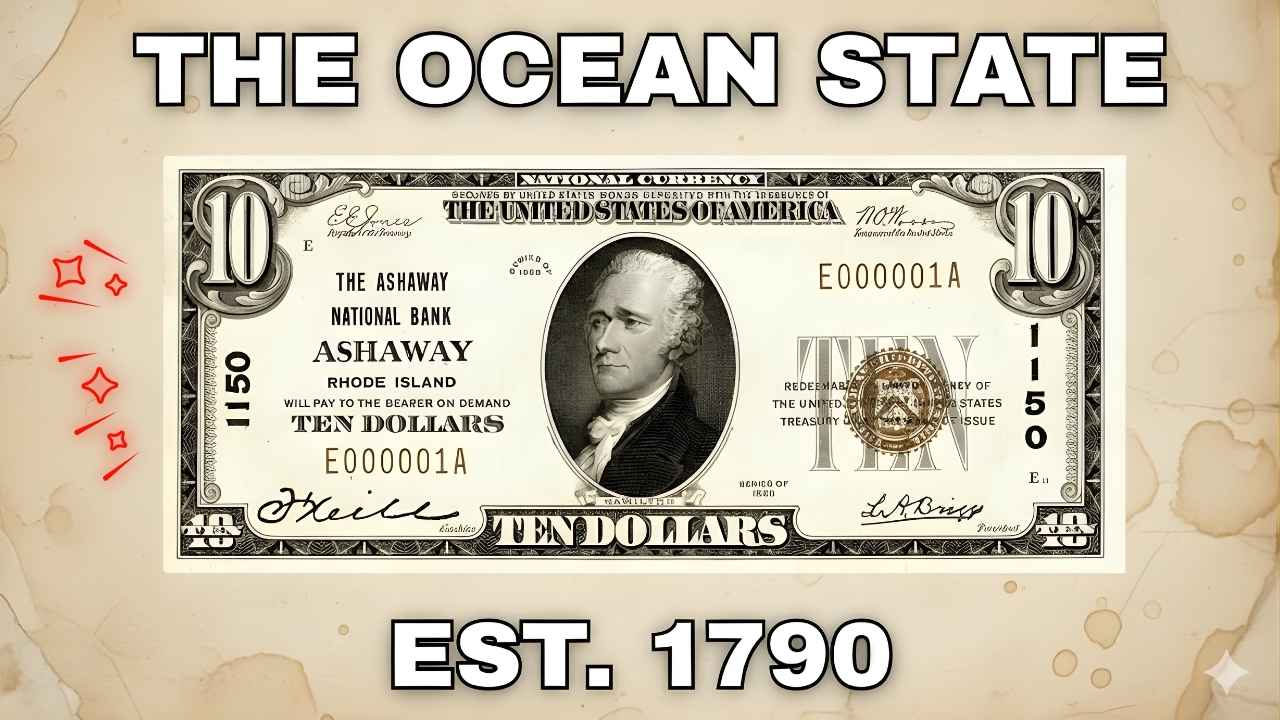
These historic bills were not plain pieces of paper. Engravers decorated them with detailed scenes and symbolic imagery meant to inspire confidence. Sailing ships represented maritime strength, agricultural imagery honored farming communities, and classical figures suggested stability and prosperity. Notes from Rhode Island Bank or Warren Bank often displayed intricate borders and elaborate seals, turning practical currency into collectible art. Modern collectors admire these designs as much for their craftsmanship as for their historical meaning.

The Shift Toward National Currency
By the mid-1800s, the federal government sought a more uniform financial system to reduce confusion caused by hundreds of different local notes. Standardized currency backed by the United States Treasury gradually replaced regional issues. As national money became dominant, locally issued notes faded from circulation. Though the change improved financial stability, it also marked the end of a colorful era when money reflected individual towns and institutions.
What Makes Rhode Island Notes Valuable Today
Collectors evaluate antique banknotes using several key factors. Condition plays a major role, since crisp notes with minimal wear command the highest prices. Rarity is equally important because some banks printed only small quantities before closing or merging. Historical significance can also raise value, especially if a note dates to a notable period or event. Finally, artistic detail matters; elaborate engravings and unusual designs often attract more attention from enthusiasts and museums.
Notable Examples Collectors Seek
Surviving notes from banks in cities such as Providence and Newport are among the most sought after. Some early 19th century issues featuring ships or town landmarks are considered premium finds. Because many notes were heavily circulated or discarded after expiration, high-quality examples are scarce. This scarcity is part of what makes them so appealing to collectors who specialize in regional American currency.

The Cultural Importance of Local Currency
Historic banknotes reveal more than financial history; they tell stories about community identity. Each design reflects the values, industries, and aspirations of the area that produced it. Holding one is like holding a printed snapshot of daily life from another century. For residents and historians, these notes connect present generations to the people who built local economies long before modern banking systems existed.
Preservation Tips for Antique Paper Money
Old paper currency is fragile, so proper care is essential. Collectors store notes in archival sleeves or protective holders to shield them from light, humidity, and handling damage. Clean environments and stable temperatures help prevent fading and paper deterioration. Preservation ensures that these historical artifacts remain intact for future study and appreciation.
Final Thoughts
Rare Rhode Island banknotes stand at the crossroads of art, history, and economics. Once used for everyday purchases, they now serve as tangible reminders of a time when local banks shaped commerce and community life. Whether valued for their intricate designs or their connection to regional heritage, these notes continue to captivate collectors and historians who appreciate the stories printed on every bill.