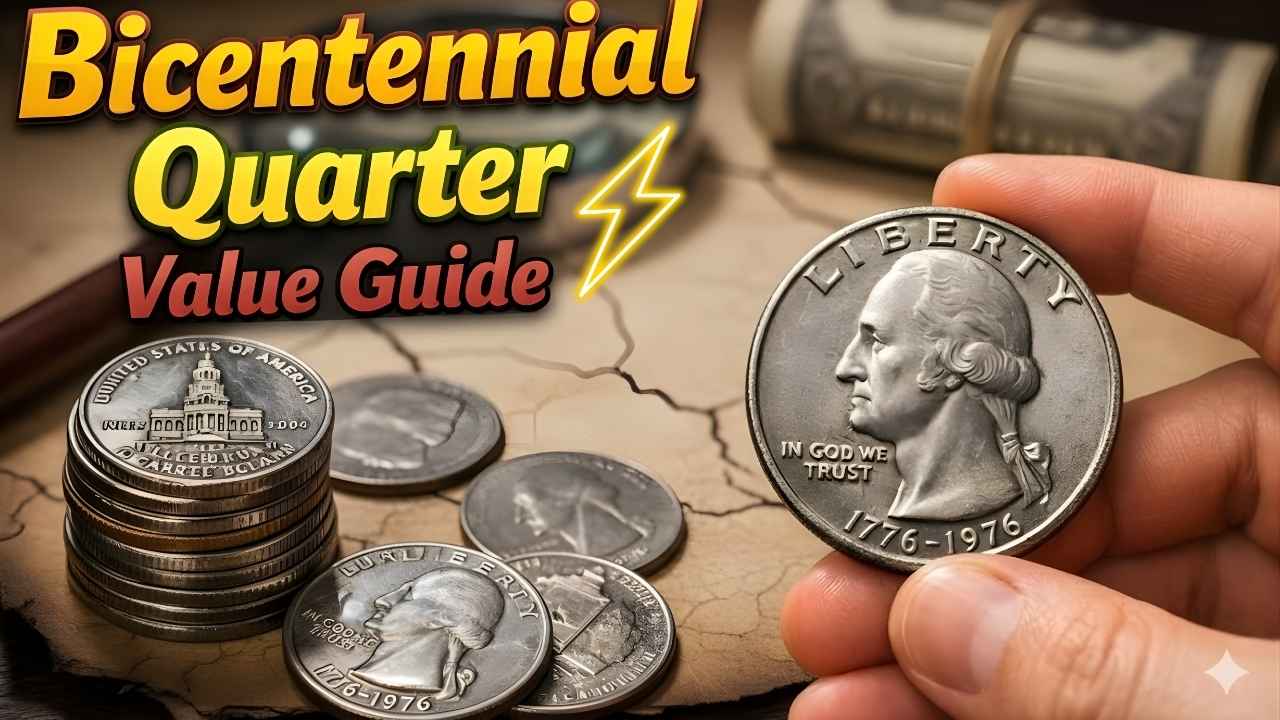
In 1976, the United States marked its 200th anniversary with a special series of commemorative coins, including a redesigned quarter that quickly became one of the most recognizable coins in circulation. Instead of the traditional eagle reverse, the design featured a colonial drummer and a victory torch encircled by stars. Produced by the United States Mint, these coins blended patriotic symbolism with everyday practicality, making them memorable pieces of pocket change that many people still hold onto decades later.
What Makes Some Bicentennial Quarters Valuable
Although millions were struck, not every Bicentennial quarter holds the same worth. Most circulated examples remain common and trade for face value, yet certain factors can dramatically raise a coin’s price. Collectors pay close attention to rarity, condition, mint origin, and unusual minting mistakes. A coin that combines multiple desirable traits can attract strong interest in auctions and private sales, especially when collectors compete for top-quality examples.
Condition Is the First Thing Collectors Check
The physical state of a coin is often the biggest influence on its value. Coins that spent years in circulation typically show scratches, dull surfaces, and worn details, all of which reduce their desirability. In contrast, uncirculated coins that retain sharp features and original luster can be worth several times more. Proof versions, struck with polished dies for collector sets, stand out even further because of their mirrorlike finish and crisp design.

The Special Appeal of Silver Versions
One of the most sought-after types is the 40 percent silver Bicentennial quarter. These were not intended for everyday use but were sold directly to collectors in special sets. Because they contain precious metal, they carry intrinsic value tied to silver prices. Even lower-grade silver examples are worth more than standard clad coins, while pristine pieces can bring significantly higher prices when professionally graded.
Mint Marks and Where Your Coin Was Made
A small letter on the coin identifies where it was struck, and this detail can make a difference to collectors. Bicentennial quarters were produced in Philadelphia, Denver, and San Francisco. Philadelphia coins have no mint mark, Denver pieces display a D, and San Francisco issues carry an S. The San Francisco coins are especially interesting because that facility produced both proof and silver versions, which are generally more collectible than standard circulation strikes.
Error Coins That Can Be Worth a Fortune
Mistakes during production can transform an ordinary quarter into a prized collectible. Off-center strikes, doubled images, or visible die cracks are examples of minting errors that collectors actively seek. Because such flaws are rare, they often command impressive premiums. The more dramatic and visible the error, the more attention it tends to attract in the marketplace.
How Grading Determines Market Price
Professional grading services evaluate coins on a scale from 1 to 70, with higher numbers representing better preservation. A small difference in grade can mean a large difference in price, especially for coins already considered desirable. Certified coins also provide confidence to buyers because their authenticity and condition have been verified by experts.
Separating Myth From Reality
A common misconception is that every Bicentennial quarter is valuable. In truth, most remain plentiful and worth only twenty-five cents. Another misunderstanding is that all of them contain silver, when in fact only specific collector issues do. Knowing these distinctions helps collectors focus on coins that truly have potential value instead of assuming rarity where none exists.
Tips for Storing and Protecting Your Coins
Proper storage is essential for preserving value. Coins should be kept in protective holders that shield them from scratches, moisture, and air exposure. Cleaning is strongly discouraged because it can damage the surface and reduce collector appeal. Handling coins by their edges and storing them in a stable environment can help maintain their condition for years.
Why These Coins Remain Popular With Collectors
Bicentennial quarters combine historical meaning with accessibility. They are affordable enough for beginners yet still offer opportunities to discover valuable varieties. Their patriotic design and connection to a major national milestone give them lasting appeal, ensuring they remain a favorite among hobbyists.
Final Thoughts
The Bicentennial quarter stands as a reminder that everyday coins can hold more than face value. While most examples are common, those with exceptional condition, silver content, or striking errors can be worth far more. Taking a closer look at the quarters you come across could reveal a collectible piece of history hiding in plain sight.