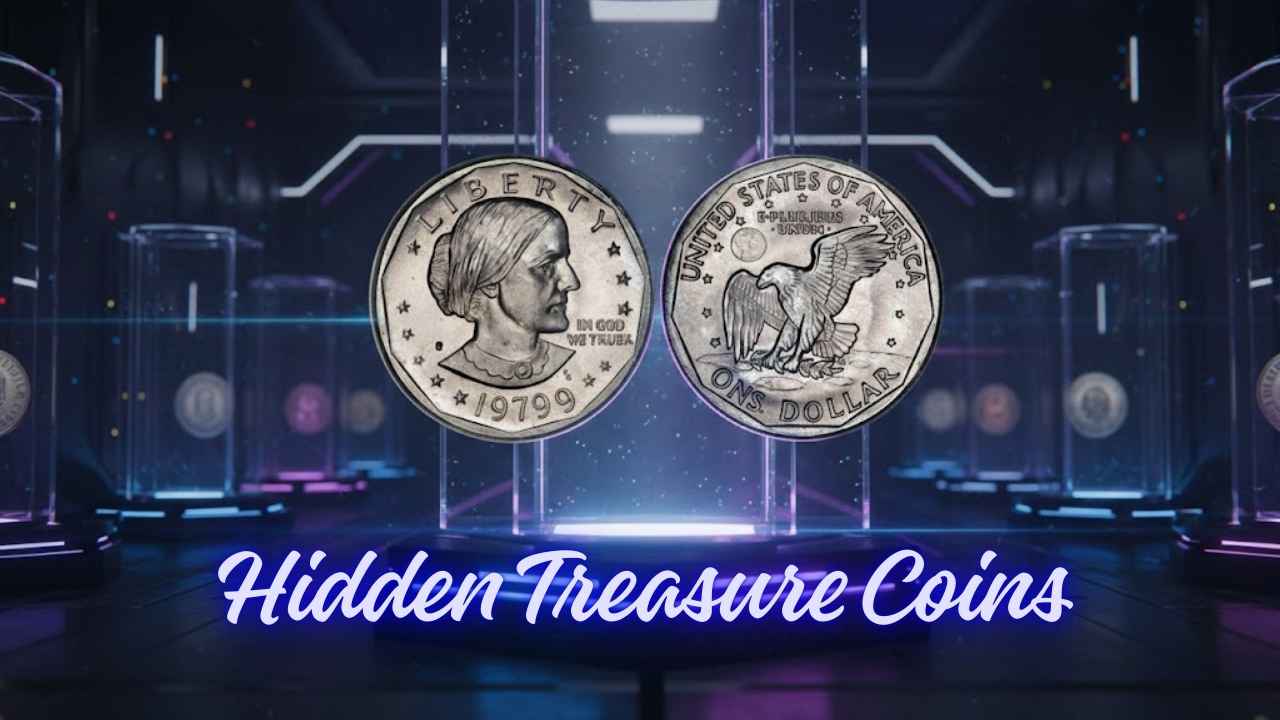
Most people treat loose coins as insignificant, tossing them into jars or leaving them in drawers. Yet among everyday currency, a few rare pieces quietly circulate with values reaching thousands or even millions of dollars. What makes these coins special is not just age but a mix of rarity, minting mistakes, and historical context. Collectors constantly search circulation because mistakes from the United States Mint occasionally slip into public hands. That means valuable coins are not limited to auctions or museums. Sometimes they appear in grocery store change or forgotten piggy banks.
The Famous 1943 Copper Penny Mystery
One of the most legendary finds is the 1943 copper Lincoln cent. During World War II, copper was redirected for military equipment, so pennies that year were produced from zinc-coated steel. However, a few copper blanks from the previous year were accidentally used, creating an extremely small number of copper coins dated 1943. These rare pieces look similar to normal pennies but differ in composition. A simple magnet test can help identify one because steel versions stick while copper examples do not. Authentic specimens have sold for enormous sums due to their scarcity and fascinating origin story. Experts estimate only a few dozen exist, making them one of the most coveted discoveries in American coin collecting.
The 2004 Wisconsin Quarter With an Extra Leaf
Not all valuable coins are decades old. Some modern pieces gain value because of striking errors. A well-known example is the 2004 Wisconsin state quarter featuring an extra leaf on the ear of corn design. This unusual detail appeared when a die flaw created an additional leaf shape, producing two versions known as the High Leaf and Low Leaf varieties. Collectors quickly noticed the difference, and demand rose sharply. While most quarters from that year are worth only face value, these error varieties can sell for thousands in top condition. The key is examining the reverse design carefully, especially the corn husk area where the extra leaf appears.
The Rare 1970-S Small Date Doubled Die Cent
Another coin that excites collectors is the 1970-S Small Date Lincoln cent with a doubled die error. That year saw two date styles, Large Date and Small Date, but the Small Date version was produced in much smaller numbers. Some of those already scarce coins also display doubling in the lettering, especially visible in words like LIBERTY and IN GOD WE TRUST. The effect looks like slightly shadowed or overlapping letters. Coins showing both the Small Date format and doubling are especially valuable and can command prices in the thousands. Careful inspection under magnification is often needed to confirm the details.
What Makes These Coins So Valuable
The common thread linking these three coins is rarity combined with a story. A mistake in production, a design variation, or an unusual historical circumstance can transform an ordinary coin into a collector’s prize. Condition also matters greatly. Coins with minimal wear and sharp details bring far higher prices than damaged ones. Professional grading services evaluate authenticity and preservation, which helps determine true market value. Without verification, even a rare coin may sell for less than it should.
How to Start Checking Your Own Change
Searching for valuable coins does not require expensive equipment or advanced knowledge. Start by examining dates, mint marks, and unusual design details whenever you receive change. A small magnifier or jeweler’s loupe can reveal features invisible to the naked eye. It is also wise to store any suspicious finds carefully and avoid cleaning them, since cleaning can reduce collector value. Many valuable coins have been discovered by beginners who simply took the time to look closely at what they already had.

Why the Hunt Continues
The appeal of coin hunting lies in possibility. Unlike many collectibles locked away in private collections, coins were designed to circulate, meaning rare pieces can still appear unexpectedly. This sense of chance keeps collectors engaged and constantly searching. Whether checking old jars, inherited collections, or daily transactions, the next remarkable discovery could be closer than anyone expects.
Final Verdict
Rare coins hidden in everyday change prove that treasure does not always look extraordinary at first glance. From the famous 1943 copper penny to the unusual Wisconsin quarter and the scarce 1970-S doubled die cent, small details can make a massive difference in value. With patience and attention, anyone could uncover a coin worth far more than its face value, turning ordinary pocket change into an exciting and potentially profitable discovery.