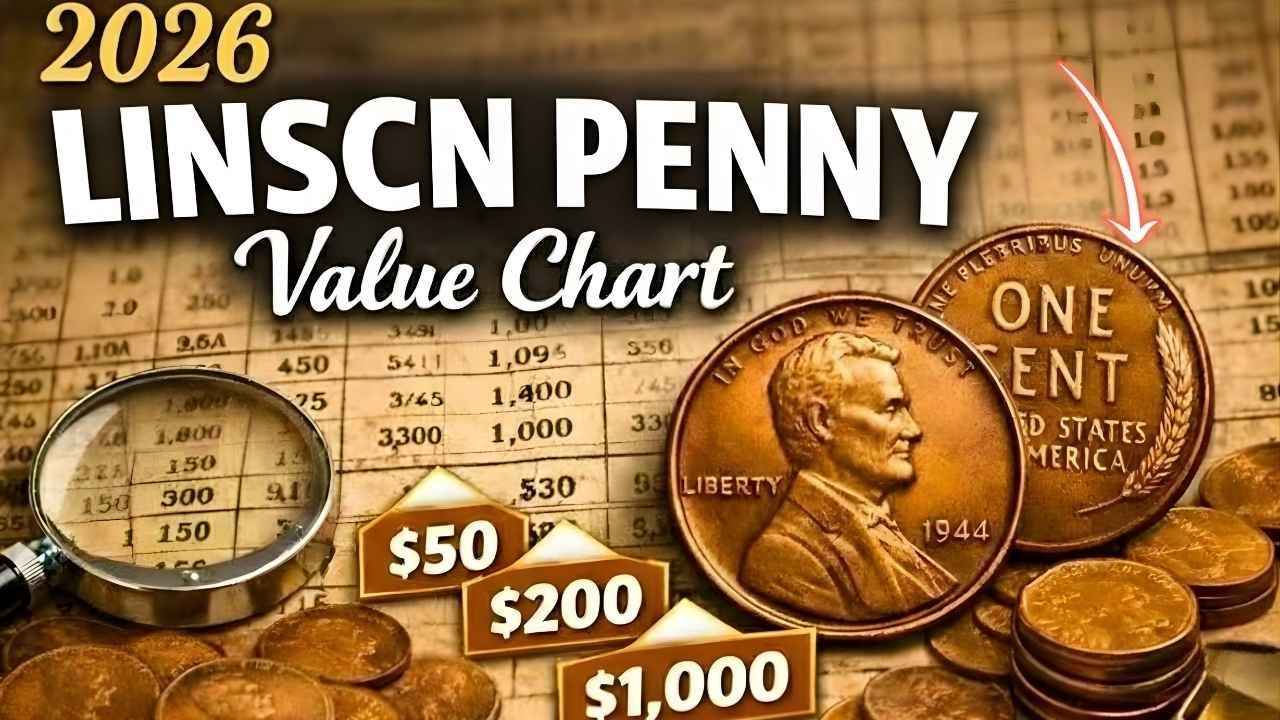
The coin widely known today as the Wheat Penny first appeared in 1909 to honor the 100th birthday of Abraham Lincoln. It marked a historic shift in American coin design because it was the first circulating U.S. coin to feature a real person rather than symbolic imagery. Created by designer Victor David Brenner and produced by the United States Mint, the coin displayed Lincoln’s portrait on the front and two wheat stalks on the reverse. This classic design remained in circulation until 1958, when it was replaced by the Lincoln Memorial reverse.
Why Collectors Still Study the Lincoln Penny Value Chart
Collectors frequently rely on a lincoln penny value chart to determine whether a coin is ordinary or rare. Most Wheat Pennies are common and worth only a small premium over face value, but a few dates and varieties can be worth hundreds, thousands, or even more. These charts track values based on condition, rarity, and demand. Since coin prices change with the market, updated charts help collectors stay informed about which coins are rising in value and which remain stable.
Key Rare Dates That Command High Prices
Certain Wheat Pennies stand out because of low mintage or unusual production details. The 1909-S VDB is one of the most famous, prized for its limited production in San Francisco. The 1914-D is another sought-after coin due to its relatively small mintage from the Denver Mint. The 1922 No D variety is especially interesting because it was struck without a visible mintmark, making it a major error variety. Perhaps the most legendary is the 1943 copper cent, accidentally produced when most pennies that year were struck in steel. Genuine examples of this coin have sold for astonishing prices at auction.

How Condition Influences Coin Value
Condition plays a huge role in determining how much a Wheat Penny is worth. Coins are graded on a scale that measures wear, luster, and surface preservation. A coin with sharp details and no scratches can be worth many times more than the same date in worn condition. For instance, a rare date penny in average circulated condition might sell for a few hundred dollars, while a pristine version of the same coin could be worth tens of thousands. This is why collectors often store coins in protective holders and handle them carefully.
Understanding Errors and Varieties
Mint errors are another reason some coins bring high prices. A well-known example is the 1955 doubled die penny, which shows noticeable doubling in the lettering and date. These unusual features occurred during the minting process and were never intended, which makes them fascinating to collectors. Because errors are unpredictable and rare, they often become highlights in collections. Even small varieties, such as subtle differences in lettering or mintmarks, can significantly affect value.
Market Trends in 2026
Interest in Wheat Pennies remains strong in 2026 as collectors continue searching for scarce pieces. Auction houses report steady demand for high-grade coins, especially those with verified authenticity and strong eye appeal. Online marketplaces have also made it easier for collectors to buy, sell, and compare coins worldwide. Despite market fluctuations, historically important coins tend to retain long-term value because their rarity cannot be reproduced.
Tips for Checking Your Own Pennies
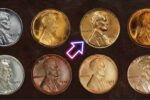
Anyone can start examining coins with just a magnifying glass and good lighting. Look closely at the date and mintmark, and compare them with a reliable lincoln penny value chart. Pay attention to unusual features such as doubling, missing letters, or strange coloration. Avoid cleaning coins, since cleaning can damage surfaces and reduce value. If a coin appears rare or unusual, having it evaluated by a professional grading service is often the safest next step.
Final Verdict
The enduring appeal of Wheat Pennies lies in their blend of history, rarity, and discovery. While most are modestly priced, a handful of key dates and error varieties continue to command impressive sums in 2026. For collectors, studying a lincoln penny value chart is one of the best ways to understand which coins might be ordinary and which could be hidden treasures waiting to be recognized.