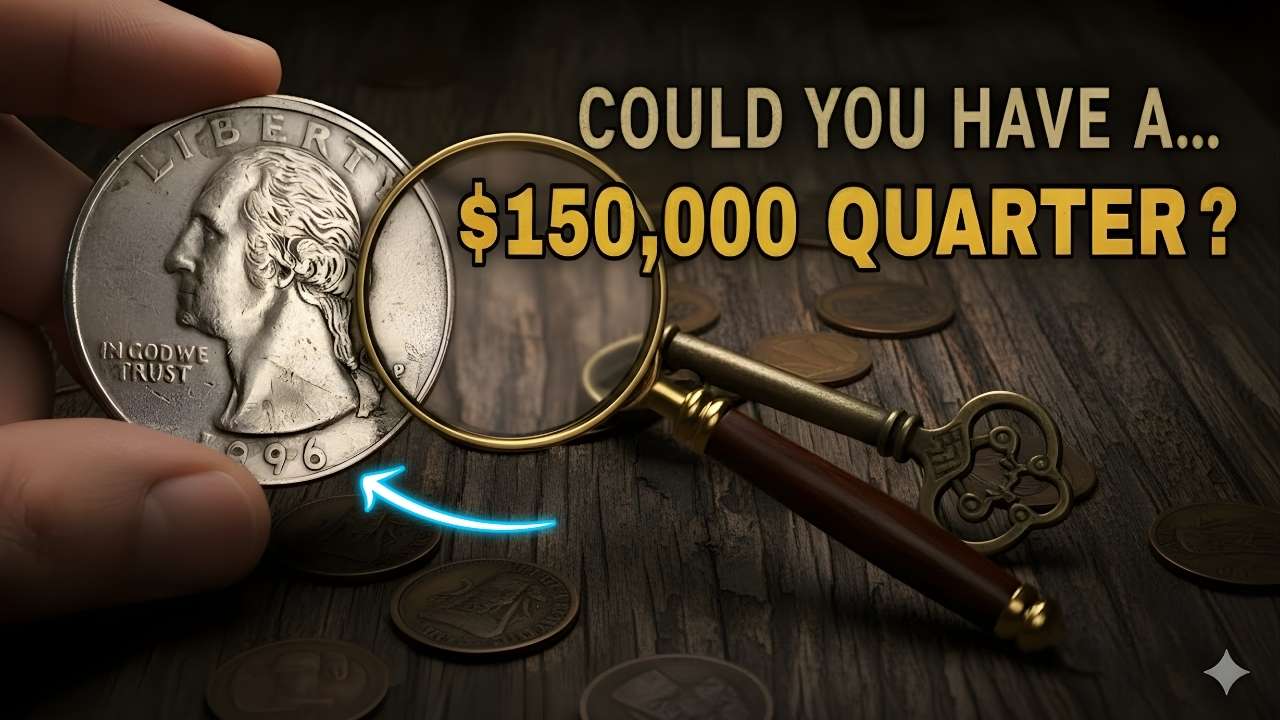
Coins minted between 1941 and 1944 hold a special place in American collecting because they were produced during a time of global conflict and material shortages. The United States Mint had to adapt quickly, changing metal compositions and production methods to support wartime industry. These adjustments unintentionally created unusual varieties and rare mistakes that collectors now prize. What once served as everyday pocket change has become a window into a pivotal era of history.
Historical Background of Early 1940s Cents
At the start of the decade, pennies still followed the familiar bronze formula and featured the portrait of Abraham Lincoln. These early wartime issues may look ordinary at first glance, yet their value can increase dramatically depending on condition and strike quality. High-grade examples from 1941 or 1942 with sharp detail and original color can sell for far more than face value. Collectors especially watch for well-preserved coins because survival rates for pristine pieces are low.
The Shift in Metal Composition During the War
By 1943, copper had become too valuable for coinage because it was needed for military equipment. To conserve resources, the Mint switched to zinc-coated steel blanks. This change produced the distinctive gray-silver cent unlike any other in the nation’s coinage history. These steel cents are lightweight, magnetic, and prone to rust if not properly stored. Most circulated examples remain affordable, but sharply struck uncirculated pieces can bring much stronger prices in today’s market.

The Famous 1943 Copper Mistakes
One of the most talked-about coin errors ever discovered is the 1943 copper cent. A few leftover bronze blanks from the previous year were accidentally fed into presses and struck with 1943 dies. Because so few escaped into circulation, they are considered legendary rarities. Verified specimens have sold for six-figure sums, making them among the most valuable small cents ever produced. Their rarity and backstory continue to fuel excitement among collectors and investors alike.
The Ultra Rare 1944 Steel Transitional Error
When copper returned to penny production in 1944, another mistake occurred. A tiny number of steel blanks left over from 1943 were struck with new dies dated 1944. These coins resemble the previous year’s steel cents but carry the later date. Authentic examples are extremely scarce and highly sought after. A genuine piece in strong condition can be worth tens of thousands of dollars or more, especially if certified by a reputable grading service.
Understanding Mint Marks on Wartime Coins
Mint marks help identify where a coin was struck and can influence its rarity. Coins without a letter were produced in Philadelphia, while a D indicates origin in Denver and an S signifies production in San Francisco. Certain mint mark combinations are harder to find, particularly when paired with unusual compositions or striking errors. Careful examination of the small letter beneath the date can reveal whether a coin is common or potentially scarce.
How Collectors Evaluate Potential Finds
Determining whether a wartime penny has significant value requires close inspection. Many collectors use magnification to check for doubling, unusual surfaces, or signs of rare metal types. Weight can also provide clues because steel cents weigh slightly less than bronze ones. Magnets are commonly used as a quick test, since steel coins will stick while copper coins will not. Professional authentication is often recommended for any coin suspected of being rare, as experts can confirm authenticity and assign a grade.
Market Value Trends for 1941–1944 Pennies
Prices vary widely depending on rarity and condition. Common circulated bronze cents from 1941 or 1942 may sell for only a small premium, while bright uncirculated pieces can reach impressive values. Typical 1943 steel cents are affordable, but flawless examples or unusual varieties command higher prices. Transitional errors such as copper 1943 cents or steel 1944 cents sit at the top of the value scale because of their extreme scarcity. Demand for these coins remains strong across the United States and international collecting markets.
Tips for Safely Preserving Wartime Coins
Proper storage is essential for maintaining value. Coins should be kept in protective holders away from humidity and extreme temperatures. Handling should be minimal and done carefully to avoid fingerprints or scratches. Cleaning is never recommended because it can permanently damage the surface and reduce collector interest. Preserving a coin’s original appearance helps ensure it remains desirable for years to come.
Final Verdict
Pennies minted from 1941 through 1944 combine history, rarity, and the thrill of discovery. Whether it is a bright bronze cent, a steel wartime issue, or an ultra-rare transitional error, each coin tells a story about a nation adapting to extraordinary circumstances. For collectors, these small pieces of metal offer the chance to hold history in their hands and, in rare cases, uncover a treasure worth far more than its face value.