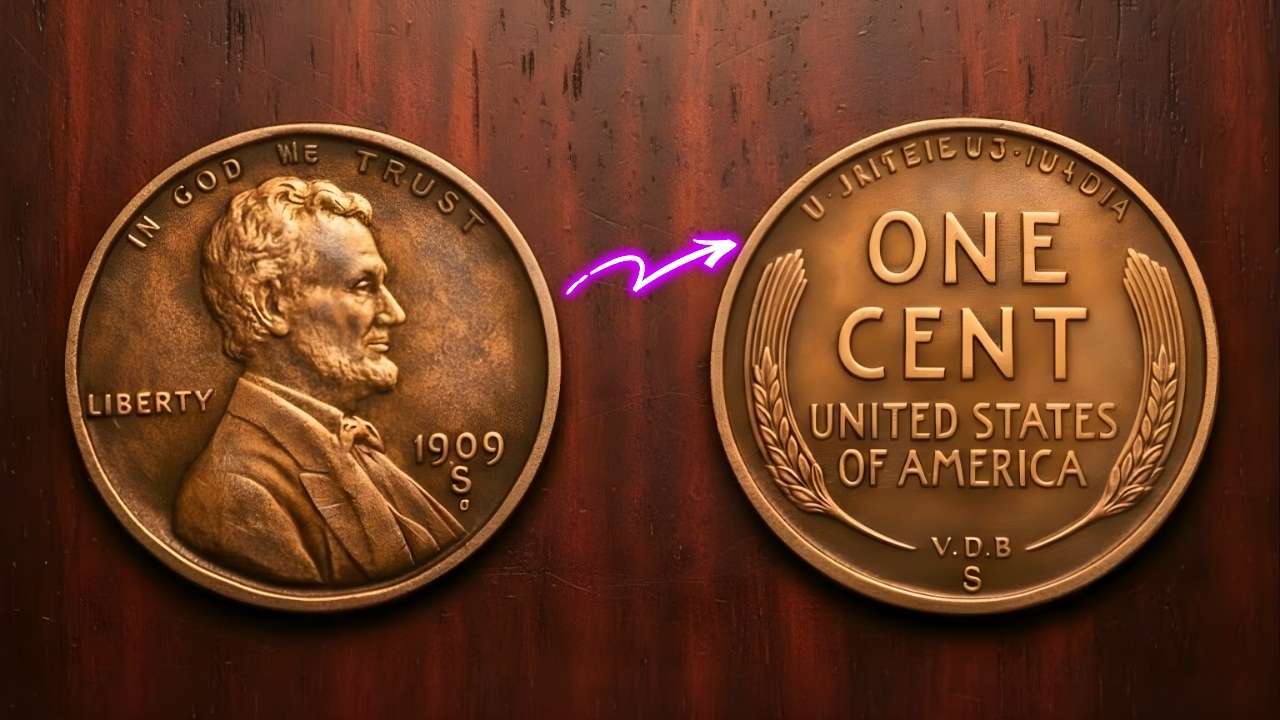
Wheat pennies, minted from 1909 to 1958, continue to attract collectors because they combine history, artistry, and steady market demand. Featuring the portrait of Abraham Lincoln on the front and stylized wheat stalks on the reverse, these coins represent an era when currency design reflected national identity. Issued by the United States Mint for nearly five decades, they are widely available yet full of hidden rarities that can surprise even seasoned collectors.
A Look at the Historical Appeal
The introduction of the Lincoln cent in 1909 marked a turning point in American coinage because it was the first circulating coin to feature a real historical figure rather than an allegorical symbol. This shift made coins feel more personal and patriotic. The wheat design itself symbolized prosperity and agricultural strength, which resonated strongly with early 20th century Americans. Today, collectors see these coins as miniature time capsules that reflect changing minting techniques, wartime shortages, and economic conditions.
What Drives Wheat Penny Prices
Several elements influence how much a wheat penny is worth in today’s market. Date and mint mark are often the first things collectors check, since certain combinations were produced in far smaller numbers. Condition also plays a major role. Coins are graded on a scale ranging from heavily worn examples to pristine mint state pieces, and even a small difference in grade can dramatically affect value. Rarity is another key factor. Coins with limited mintage, unusual errors, or short production runs tend to command higher prices. Demand completes the equation, as rising interest in coin collecting pushes prices upward over time.

Ten Years of Price Movement
Over the past decade, wheat penny values have shown steady upward momentum. Common coins from the 1940s and 1950s that once sold for just a few cents are now frequently priced between roughly 35 and 50 cents in circulated condition. Meanwhile, better dates have climbed more noticeably. Highly sought pieces such as the 1909-S VDB, 1914-D, and 1931-S have all experienced consistent appreciation, with top-grade examples rising hundreds of dollars since the mid-2010s. This gradual but reliable growth pattern is one reason collectors consider wheat cents a stable long-term collectible.
Key Dates That Lead the Market
Some wheat pennies stand far above the rest in terms of desirability. The 1909-S VDB remains the most famous because of its limited production and historical backstory. The 1914-D is another favorite due to its scarcity in higher grades. The 1922 No D error coin fascinates collectors because of its unusual missing mint mark, while the 1931-S is prized for its low mintage. Even the 1943 steel cents hold special interest thanks to their distinctive metallic appearance and wartime origin. These standout coins often set the tone for broader price trends across the series.
Why Collectors See Investment Potential
Unlike fast-moving financial assets, collectible coins tend to rise in value gradually. This slower pace appeals to hobbyists who prefer stability over speculation. Wheat pennies are especially attractive for beginners because they are affordable, widely available, and easy to study. Many collectors start with inexpensive examples before moving into scarcer dates as their knowledge grows. Over time, assembling a well-chosen set can become both financially and historically rewarding.

Smart Strategies for Tracking Value
Collectors who want to follow price trends often monitor auction results, dealer listings, and published price guides. Studying grading standards is also essential, since accurate grading prevents overpaying and helps identify undervalued coins. Proper storage matters just as much as buying strategy. Keeping coins in protective holders away from humidity and contaminants preserves their condition and ensures they retain their value over time. Building a balanced collection that mixes common and rare pieces is another approach that many hobbyists find effective.
The Outlook for Wheat Penny Collecting
Interest in classic coins has been expanding as more people explore tangible collectibles. Wheat pennies benefit from this trend because they are affordable entry points with proven historical appeal. While common dates may continue to rise slowly, scarcer varieties are likely to see stronger gains as demand increases. For collectors who enjoy both history and the thrill of discovery, these coins remain a timeless pursuit.
Disclaimer
This article is for informational purposes only and is based on publicly available data, collector reports, and market observations that may vary over time or by region; coin values fluctuate due to demand, grading opinions, and market conditions, so readers should always verify current prices and details through official guides, auction results, or professional numismatic sources before making any buying, selling, or investment decisions.