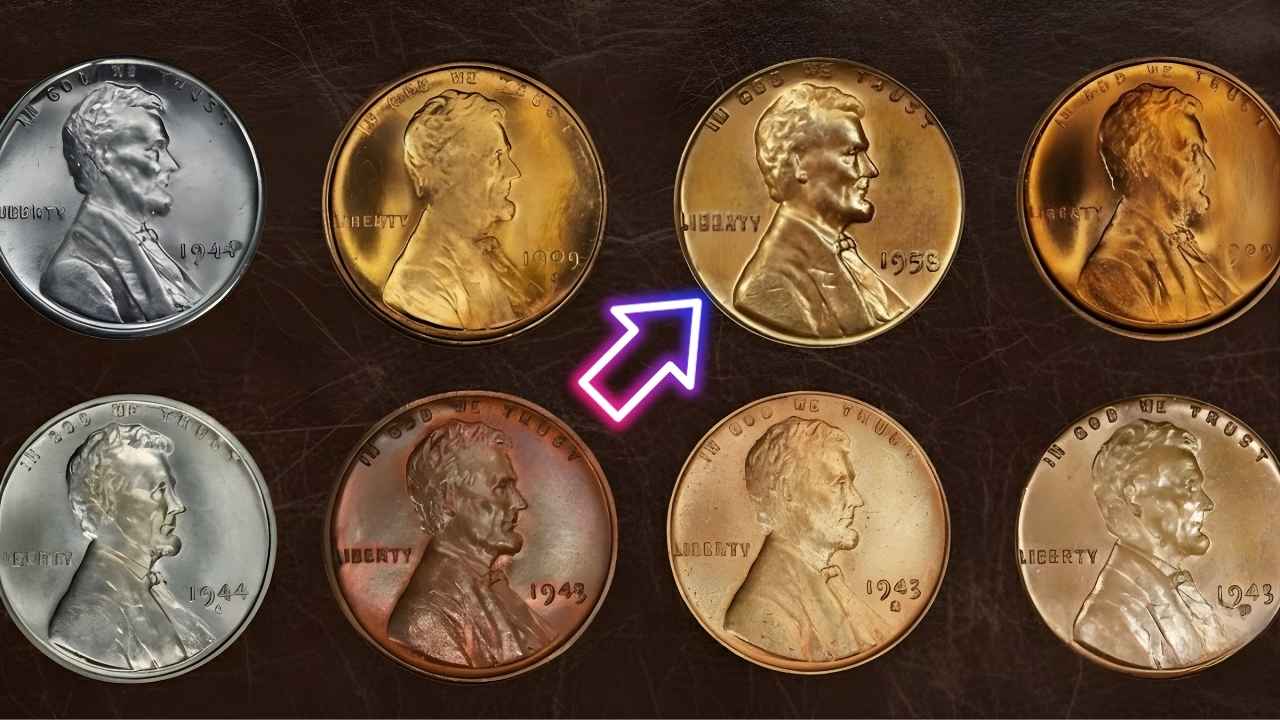
Few coins have captured collector interest quite like the wheat penny, produced from 1909 through 1958. Featuring the profile of Abraham Lincoln on the front and stylized wheat stalks on the reverse, the design blends symbolism with history. Struck by the United States Mint, these coins circulated during some of the most important decades in modern history, including world wars and economic upheaval. For collectors, they represent more than small change; they are miniature artifacts that connect the present to the past.
Why Collectors Still Seek Them
The appeal of wheat pennies comes from their balance of accessibility and rarity. Many examples are easy to find and inexpensive, making them ideal for beginners. At the same time, certain issues are extremely scarce and command impressive prices. This wide range of values keeps the series exciting because collectors can begin with common coins and gradually work toward more valuable pieces as their knowledge grows.
Historical Roots of the Design
Introduced in 1909 to honor Lincoln’s birth centennial, the coin marked a turning point in American coinage. It was the first circulating U.S. coin to feature a real historical figure instead of an allegorical symbol. Designed by sculptor Victor David Brenner, the portrait gave the penny a sense of realism that earlier coins lacked. Over time, the design became instantly recognizable, cementing its place as one of the most beloved coins ever issued in the United States.
Factors That Determine Value
Several elements influence how much a wheat penny is worth. The year and mint mark often play a major role because certain combinations were produced in smaller quantities. Condition is equally important. A coin that shows heavy wear may be worth only a few cents, while one with sharp details and original luster can sell for hundreds or more. Errors such as doubled lettering or missing mint marks can also boost value dramatically because they make a coin unique.
Understanding Mint Marks
Mint marks indicate where a coin was struck and can be found just below the date. Coins without a mark were produced in Philadelphia, while those with a D came from Denver and those with an S originated in San Francisco. These small letters can make a big difference in value because some mints produced far fewer coins than others. Collectors often pay close attention to these details when evaluating a piece.
Standout Dates That Command High Prices
Certain wheat pennies are famous for their scarcity. The 1909-S VDB is widely considered the key date of the series because of its limited production. The 1914-D is another highly sought coin, especially in higher grades. Error varieties such as the 1922 No D and the 1955 doubled die are also prized because they showcase unusual minting mistakes. These coins often serve as the centerpiece of advanced collections.
Common Coins Still Worth Collecting
While rare dates attract headlines, the majority of wheat pennies were produced in large numbers. Coins from the 1940s and 1950s are typically easy to find and affordable. Even so, they remain popular among collectors because they help complete sets and provide a hands-on way to learn grading and identification skills. Many enthusiasts enjoy searching through rolls of old pennies hoping to spot a hidden rarity among the common pieces.
The Importance of Proper Grading
Grading is essential when determining value because it measures how well a coin has been preserved. The scale ranges from heavily worn examples to flawless mint state pieces. Small differences in grade can result in large differences in price, particularly for scarce dates. Professional grading services can authenticate coins and assign official grades, giving buyers confidence and often increasing resale potential.
Tips for Building a Strong Collection
Collectors often choose a strategy before assembling their sets. Some aim to gather one coin from every year of the series, while others focus only on rare dates or error varieties. Storing coins properly is just as important as acquiring them. Protective holders, low humidity, and careful handling help prevent damage and preserve value. Avoid cleaning coins, as this can remove original surfaces and reduce desirability.

Final Verdict
The wheat penny series offers a unique blend of history, artistry, and collecting excitement. From inexpensive common dates to rare treasures worth thousands, these coins appeal to hobbyists of all experience levels. With careful research, attention to detail, and patience, collectors can build meaningful sets that reflect both personal passion and a fascinating chapter of American coinage history.